
This post was co-written by Shelby & Smac
Compound as a firm has been investing separately in both crypto and bio for a decade now. While the pure financialization use-cases of crypto continue to eat into traditional finance, we’ve been excited by how the global coordination of crypto manifests in new verticals. Some of the first attempts at this were with DePIN networks like Helium and Hivemapper, protocols that have tried to bring the internet to millions and map the globe. These have seen mixed success as a looming open question remains: “where is the demand and how large is this market really?” But we believe crypto’s unique global coordination properties will continue to push into emergent verticals and are especially excited for crypto in bio. The strengths of crypto are uniquely suited to flip the highest friction points to highest leverage points in bio through:
- Rapid access to capital
- Global coordination to solve cold start data collection problems
- Novel engagement through gamification of science (livestreamed experiments, peer-review markets, etc.)
- Larger, more diverse teams
- Larger capital pools, less founder dilution
- Faster iteration cycles with engaged communities providing real-time feedback
- More creativity
- Multi-layered moats: scientific + community + brand + liquidity
We met the Anagen founders years ago, when they were presenting novel research about hair loss as HairDAO. They saw the opportunity before most, and it’s an insight we expect others will increasingly gravitate towards. They were in crypto and experiencing early onset hair loss. When researching hairloss, they found highly scientific and engaged Discord chats trying to reverse balding. This high agency online community mirrors other underserved areas in bio such as long COVID, POTS, and rare disease.
Since the Anagen founders came from crypto, they knew the playbook of aggregating these internet experts, incentivizing them with tokens, and hiveminding what better treatments could be in the short-, mid- and long-term. Initially experiments took the form of collaboration with professors at Imperial College London, University of Miami, and University of Brasilia, testing their hypotheses in ex vivo hair cultures. They translated these to off-label human experiments of repurposed drugs such as T3 that showed a high range of regrowth (more below). To advance as fast as possible, they opened a wet lab in NYC and started to collect hair follicles to make a biobank for increasingly larger and more comprehensive screens. And they’d done all of this in less than two years. The science and early results got us excited, but the sense of urgency, creativity, and uniqueness were incredibly motivating for us and we were lucky to partner with Anagen in early 2025.
Despite their relative obscurity today, Anagen has pioneered hair loss on many fronts. They’re the first company in 30 years to bring a net new drug to market for hormonal hair loss, they’ve reformulated dutasteride to reduce side effects (and are running a 60 person clinical study), they sell combinations of all these net new treatments through their US-based telehealth platform and they are building a follicle biobank for predictively valid drug screening.
All of this is coming at a time when we’re starting to see a massive expansion of the aesthetics field for personalized health. Many of you are likely familiar with companies like Hims&Hers and Ro, and we’ll compare the science and products for some of these companies later in the report. But first we want to share more of what’s gotten us particularly excited about Anagen.
1. Built and are distributing their net new products with their telehealth platform, Anagen.
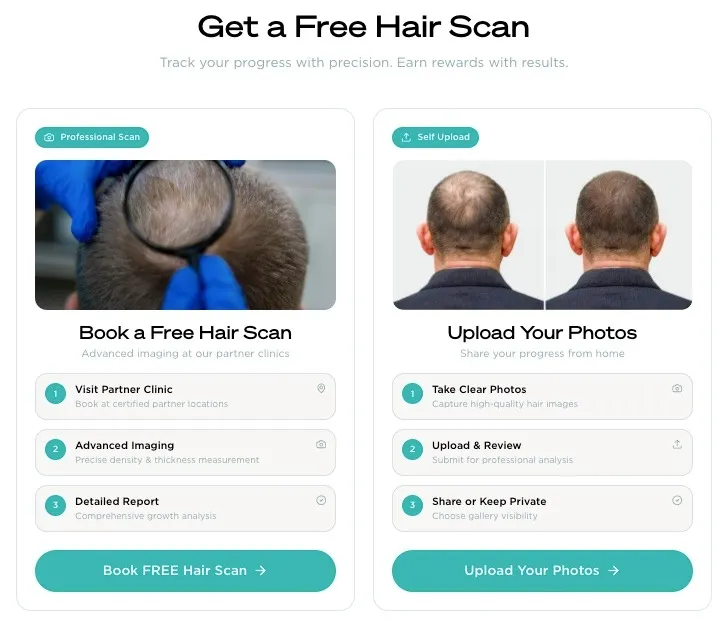
Anagen is a science-based telehealth clinic that is fully run and operated by HairDAO. They established this platform in 2024, have partnered with 10’s of doctors, and have since grown revenue by 40x since inception. Through Anagen, they distribute three net new prescription hair loss treatments (T3, precision dutasteride, and slow release minoxidil) with and without combinations with current treatments. In addition they give patients the option to get before and after scans to categorically track hair regrowth processes.
2. For the first time in 30 years, they brought a new hormonal hair loss drug to market via repurposing of Liothyronine (T3).
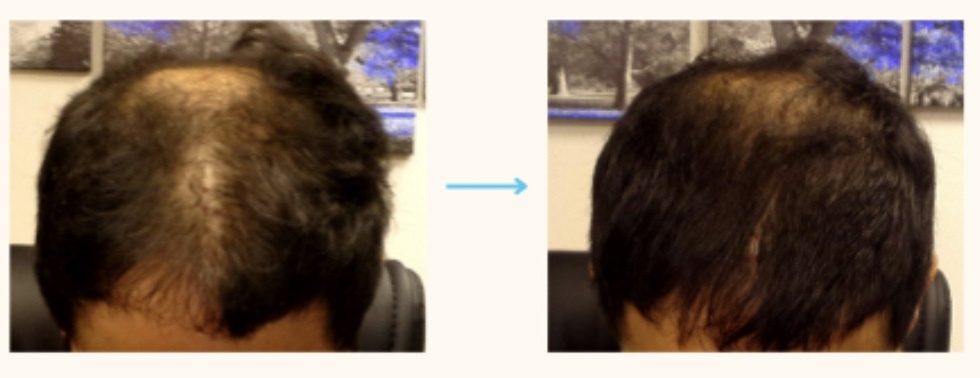
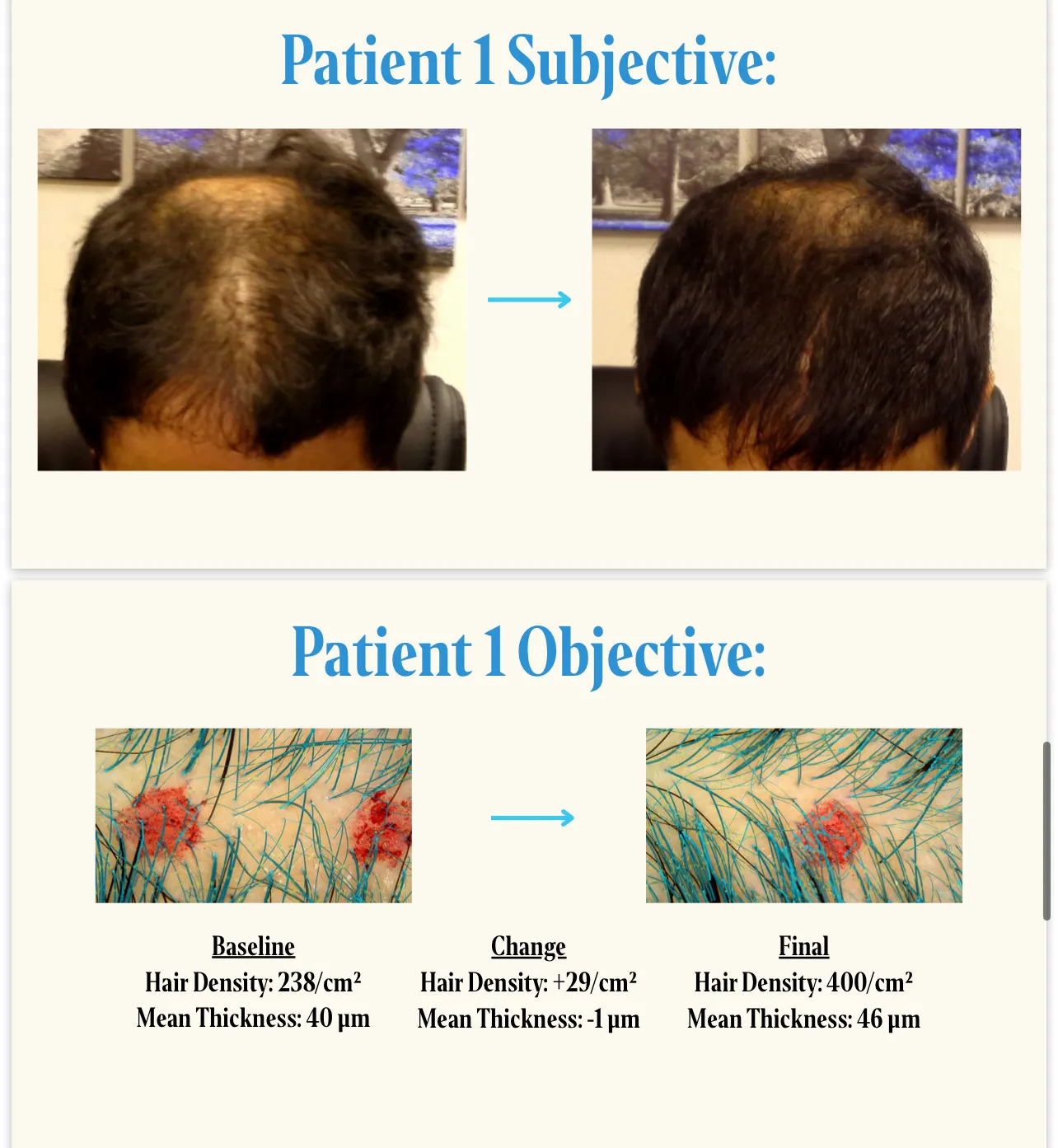
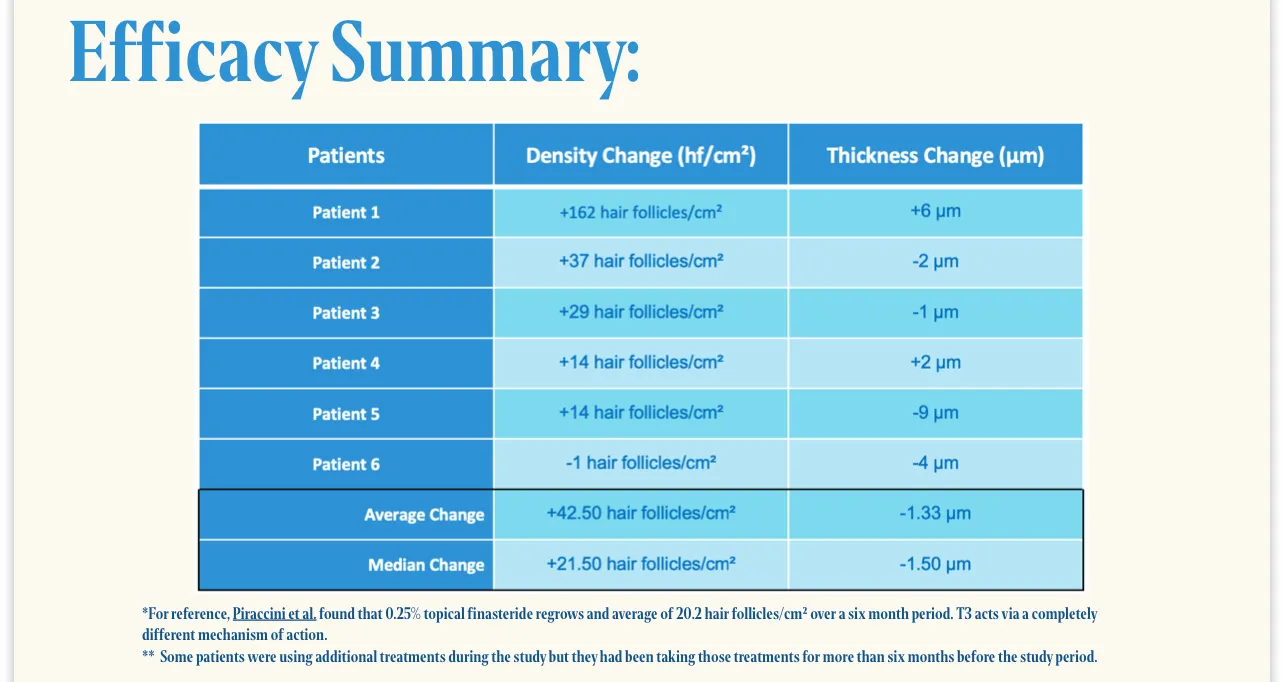
T3 is a drug commonly used to treat hypothyroidism, reduce goiters, and manage thyroid cancer. Natural T3 deficiency also directly contributes to hair loss. The Anagen team had a simple thesis that, for a subset of patients, T3 supplementation could lead to an increase in hair regrowth. Their initial, preclinical work with diverse scalp samples uncovered details on the mechanisms with Ralf Paus at University of Miami. Given T3 is already an approved drug, study participants used it off-label to run an observational study finding significant hair regrowth in initial patients, with high variance. The best responder had an increase in 162 hair follicles/cm2 with others ranging from no effect (-1 hair follicles/cm2 to 37 hair follicles/cm2). For context, widely prescribed finasteride has an average improvement of 20 hair follicles/cm2. This was a small study (n = 6) with high variance in results, so we’re not claiming this is a hair loss silver bullet, but some could find this helpful and could see moderate regrowth with a different mechanism to the canonical drugs of minoxidil and finasteride that you can now buy at Anagen.
3. Reformulated and launched Precision Dutasteride which accomplishes the hair regrowth with fewer side effects.
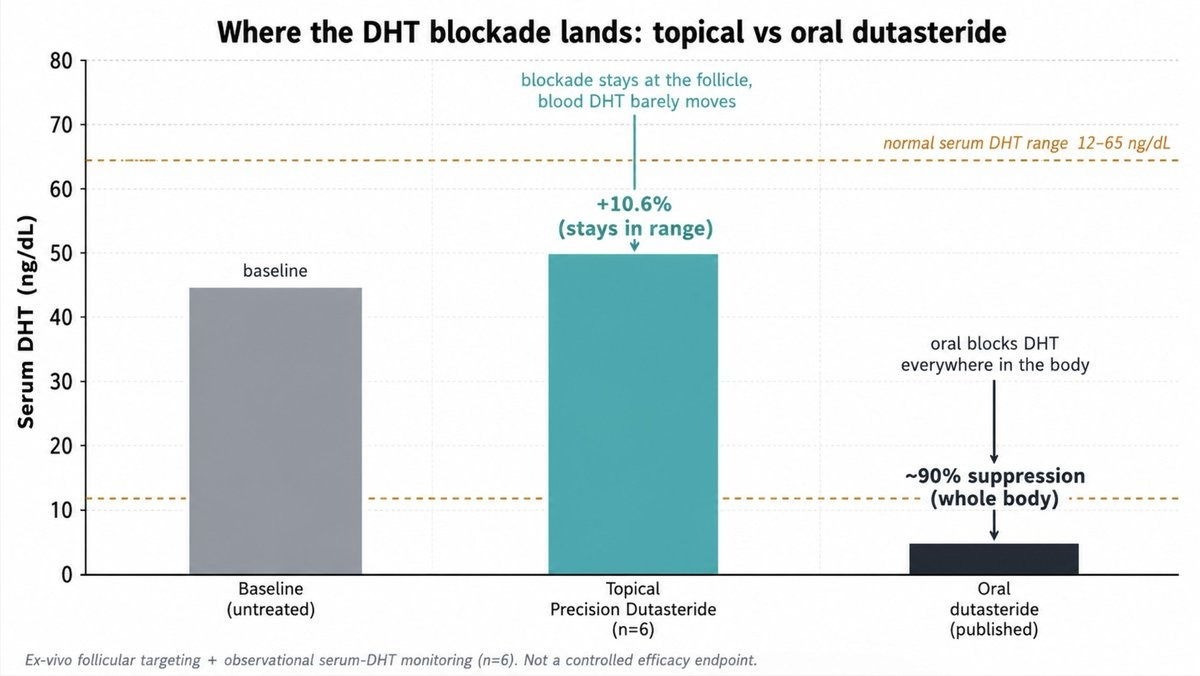
Dutasteride is a hair loss drug already on the market for male urinary and prostate issues, commonly prescribed off-label for hair loss. Finasteride and dutasteride have the same mechanism: preventing the enzyme that processes testosterone to dihydrotestosterone (DHT). DHT itself is necessary for proper development of secondary sex characteristics but many are genetically predisposed to have hair follicles that have reduced hair growth phase due to DHT binding to their hormone (androgen) receptors. Decreased systemic DHT from taking dutasteride off-label can lead to decreased libido and ED, but it can help regrow hair, meaning many are stuck between balding and untenable side effects. The ideal dutasteride would stay only in the hair follicle and not change systemic DHT.
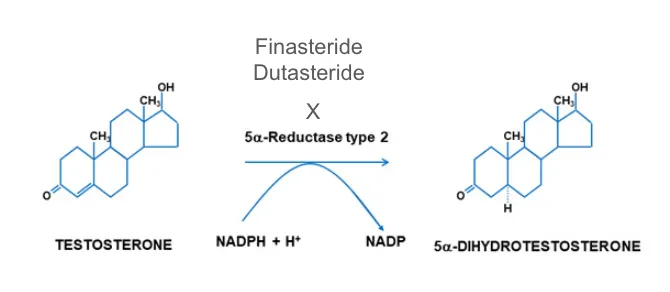
They set off to test this thesis with University of Brasilia researchers. Specifically, they experimented with 10’s of nanoparticles encasing dutasteride to understand if they could get a version to stay locally in the hair follicle. From here they could test if they could still get the hair regrowth gains without the side effects which come from leakage of topical dutasteride (and resultant DHT) into the bloodstream.
Initial studies show they’ve found a follicle accumulating nanoparticle-dutasteride combination that doesn’t affect blood DHT. To confirm results on a larger scale, Anagen is currently running a 60 person study to track how much encapsulated dutasteride gets in the bloodstream and how much it regrows hair. Stay tuned for important, upcoming results. In the meantime, they’re selling their precision dutasteride (the nanoparticle-dutasteride combo).
4. Formulated and launched a slow-release minoxidil drug.
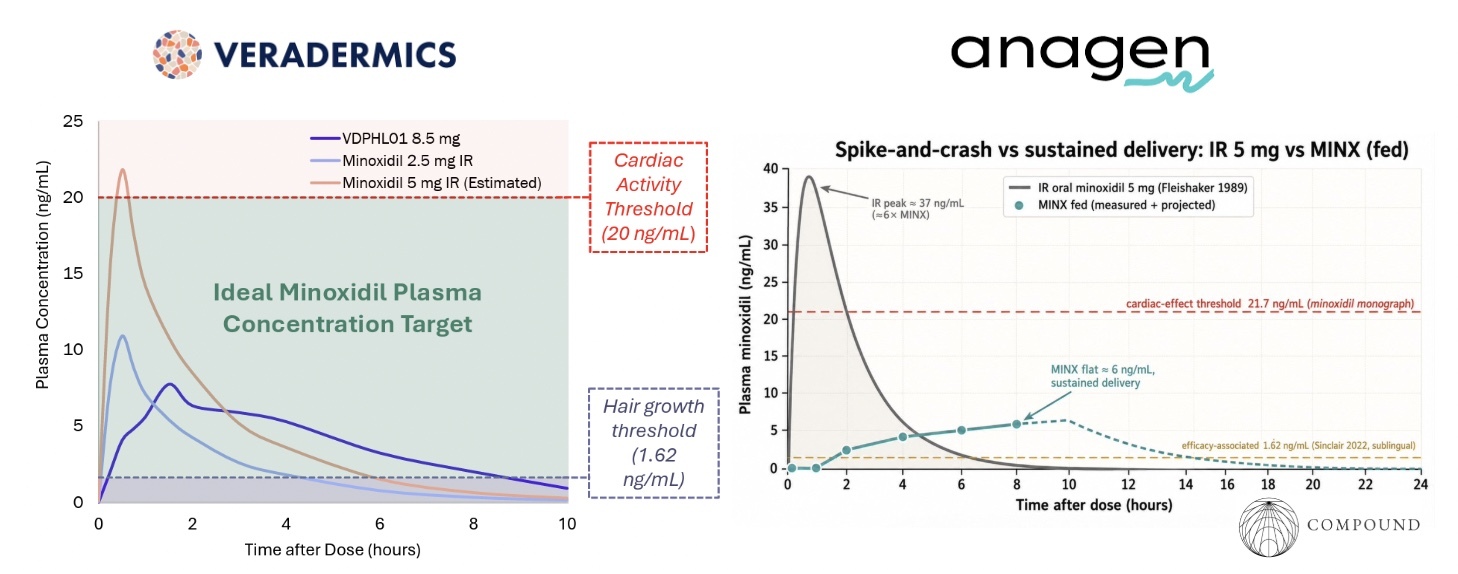
Minoxidil is the biggest hair loss drug of all time by units. Minoxidil is a vasodialator, originally developed for heart disease and marketed under the name Loniten. Doctors noticed patients on minoxidil also grew hair all over their body and, while less ideal, gave the parent company, Upjohn, cause to run trials on topical formulations for hair loss. Successful trials resulted in Rogaine, which had peak sales of $200M before going off-label. Given minoxidil is a potent cardiac drug with necessary prodrug conversion in the hair follicle (there’s an enzyme in hair follicles that convert minoxidil to its active form), there’s a small efficacy window for hair regrowth that doesn’t compromise the patient’s health.
What the field is working towards now is an extension of the efficacy window with slow-release minoxidil, which Veradermics ($MANE) has in Phase III clinical trials. Veradermics raised over $800mn to get their slow release minoxidil (VDPHL01) to market. Anagen’s slow release minoxidil (MINX) is available now, with a $7,000 cost to market. Below you can see the prolonged efficacy range concentration of slow release minoxidil both with Veradermics VDPHL01 and Anagen’s slow-release minoxidil (MINX). In fact, the only difference between these is that Anagen’s MINX concentration at 8 hours is still in the efficacy range (and it’s not with Veradermics VDPHL01!). You can also *now buy* Anagen’s MINX online whereas Veradermics is still a clinical stage company. To put this another way, MINX is one part of Anagen’s platform, and the only part of Veradermics that’s valued 244x the Anagen fully diluted valuation (FDV)!
5. Knowledge base + proprietary data
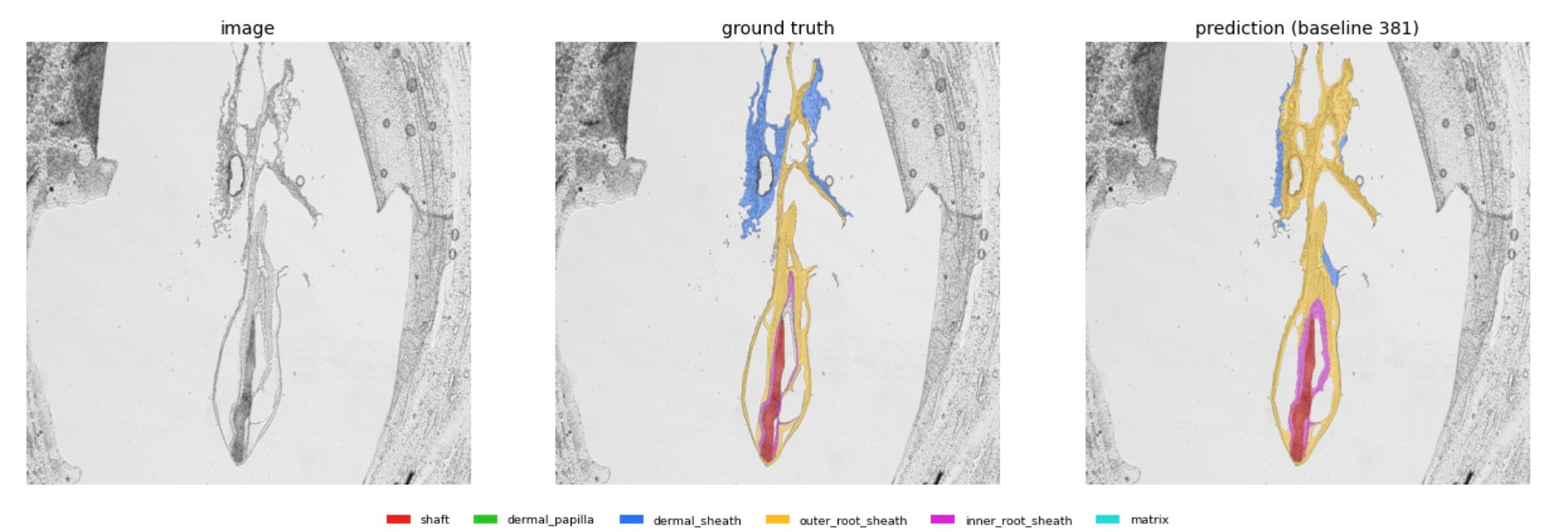
The progress for Anagen can keep compounding. They’re supported by a community of 2,931+ hair loss aficionados which gives them a source of new ideas, new experimenters, and new customers. As Anagen continues to launch net new products and eventually validate entirely new targets for hair loss, we can imagine a community expansion. They’re not naive though and understand that ideas and customers aren’t enough, they need fast, and highly predictively valid screens to test new drugs and targets. This was the impetus for starting a hair follicle biobank. They currently have 5,900 hair follicle sections for investigating new drugs used with staining and sequencing.
Anagen’s competitive landscape
When we take a step back, the pace and ability for Anagen to move as quickly and develop treatments as effectively as they have, with far more limited resources, is uniquely enabled by how they operate. The broader market will increasingly be saturated by products claiming to make you hotter, skinnier and healthier. But our bias when evaluating tech-enabled bio is to interrogate the underlying science. As we noted earlier, a lot of people are familiar with Hims&Hers ($HIMS), a ~$7.3bn company generating $2.4bn a year selling hair loss, ED and weight loss drugs. But there are others in the space, some of which we think have seen dislocated over-rotations, like Veradermics, a single-asset clinical stage hair loss company currently valued at ~$4bn. At $4bn, Veradermics ($MANE) is already valued at ~⅔ the size of HIMS but perhaps the most discordant thing is that the product they’re putting through clinical trials…has a competitor already on the market with Anagen’s slow-release minoxidil.
While there are structural reasons it’s much more difficult to access and buy tokens than public equities today (Anagen’s $HAIR token is currently valued ~$16M), the stage of the underlying science, product and development processes of these companies is worth examining in detail. To underscore our view on why we feel Anagen is undervalued, we did a head to head of Veradermics and Anagen and then dive deeper into their process and products.

Why you should care
You are probably experiencing hair loss. And so do 80M other people in the US. Scientifically, this shouldn’t be an inevitability and it won’t be if Anagen continues executing like they are now. Anagen is special because it signals a new, rapid, and human-in-the-loop development of net new treatments. They are combating incrementalism in biotech by launching better drugs than those in clinical trials (like Veradermics), using their community as a font of new ideas and committed first customers, and in the next year testing entirely new targets for hair loss. Put another way, we view Anagen akin to a Hims&Hers that launches new products and builds proprietary databases. As investors, we couldn’t be more excited for their continued growth and want to make sure more folks know about their pioneering science, business, and progress.
Disclaimer:
Compound is an investor in Anagen/HairDAO. Compound may buy or sell $HAIR token and $MANE stock at any point. The content on this site is for educational and informational purposes only. Nothing presented above is intended to make an offer to or solicitation to sell or purchase securities or interests in a private fund. It is not intended to be a substitute for professional advice. Always seek the guidance of a qualified professional with any questions you may have regarding your finances. Investing involves risk, including the possible loss of principal. Past performance is not a reliable indicator of future results. Asset allocation does not guarantee a profit or protect against loss. Cryptocurrency investments are highly volatile and speculative. The value of digital assets can fluctuate dramatically, and you could lose your entire investment. Never invest more than you can afford to lose.